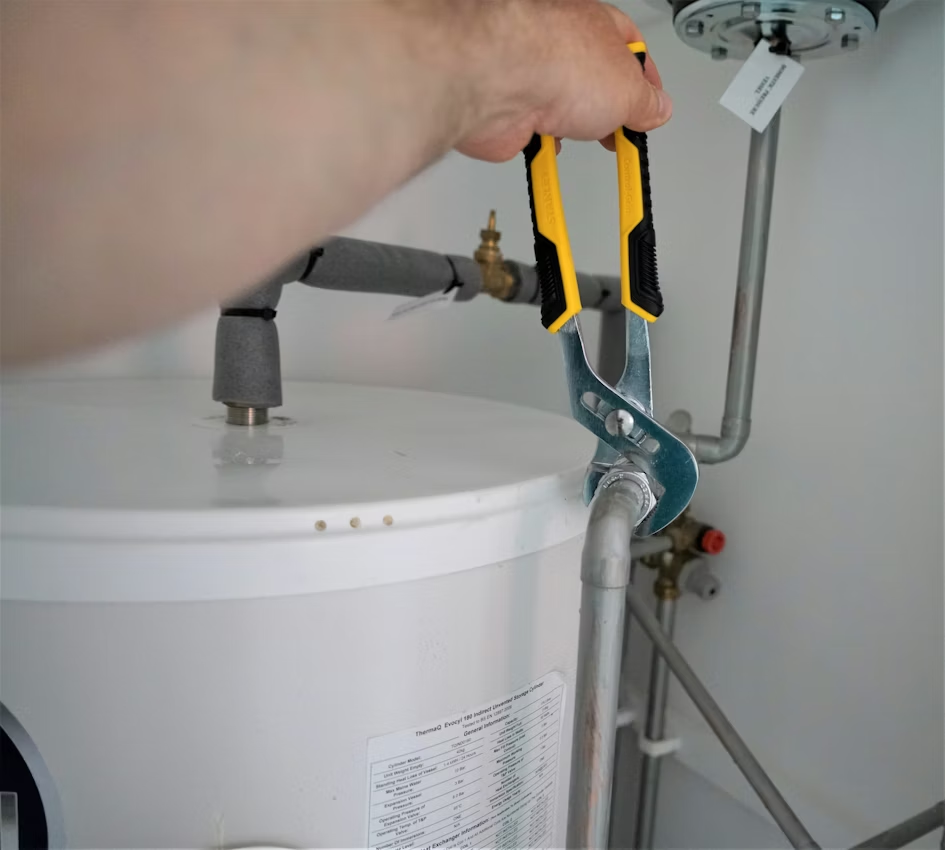
Mechanical estimating encompasses plumbing, piping, and HVAC systems that represent significant portions of construction project costs. Accurate mechanical estimating requires understanding complex systems, material specifications, labor productivity rates, and coordination with other trades. This comprehensive guide provides the knowledge and strategies needed for successful mechanical construction estimating.
Understanding Mechanical Systems in Construction
Mechanical systems in buildings serve essential functions for occupant comfort, health, and safety. These systems include potable water distribution, sanitary drainage, storm water management, heating, ventilation, air conditioning, and specialized process piping for industrial applications.
Plumbing Systems Overview
Plumbing systems deliver clean water for consumption, sanitation, and process uses while safely removing wastewater and storm water. Modern plumbing incorporates water conservation measures, backflow prevention, and sophisticated monitoring systems for leak detection and usage tracking.
Commercial and residential plumbing systems differ significantly in scale, complexity, and code requirements. Commercial systems must accommodate higher usage rates, specialized fixtures, and accessibility requirements beyond typical residential applications.
Piping Systems Fundamentals
Piping systems transport fluids, gases, and materials throughout buildings and industrial facilities. Material selection depends on the transported substance, pressure requirements, temperature conditions, and compatibility with connected equipment.
Common piping materials include copper, steel, PVC, CPVC, PEX, and various specialty materials for corrosive or high-purity applications. Each material offers distinct advantages in cost, installation ease, durability, and performance characteristics.
HVAC Systems Integration
Heating, ventilation, and air conditioning systems maintain comfortable indoor environments while managing energy consumption and indoor air quality. Modern HVAC design emphasizes efficiency, sustainability, and smart controls for optimized operation.
HVAC estimating encompasses equipment, distribution systems, controls, and commissioning activities. Each component requires careful analysis of specifications, capacities, and integration requirements with building automation systems.
Plumbing Estimating Fundamentals
Accurate plumbing estimating requires systematic analysis of fixtures, piping, equipment, and labor requirements for complete water and drainage systems.
Fixture Count and Specifications
Plumbing fixtures represent visible endpoints of plumbing systems and significantly impact both material and labor costs. Fixture schedules must be carefully reviewed to identify specific models, mounting requirements, and any special features affecting installation complexity.
Standard fixtures including toilets, lavatories, sinks, and showers have predictable installation costs based on rough-in locations and finish type. Specialty fixtures such as clinical sinks, laboratory fixtures, or high-end designer products require additional labor and expertise.
Water Distribution System Estimating
Water distribution systems deliver pressurized potable water throughout buildings. Estimating these systems requires calculating pipe quantities based on routing, identifying valves and fittings, and accounting for pressure boosting equipment when required.
Copper piping remains common for water distribution due to reliability and code acceptance, though PEX piping offers cost advantages and faster installation. Material selection affects both material costs and labor productivity rates significantly.
Drainage and Waste System Estimating
Sanitary drainage systems remove wastewater from fixtures through gravity drainage to municipal sewers or private treatment systems. These systems require careful attention to slope, venting, and cleanout locations for proper function.
Cast iron and PVC piping dominate drainage applications, with material selection based on noise requirements, fire ratings, and local code preferences. Commercial applications often specify cast iron for stacks and mains with PVC for branch drainage.
Storm Water System Estimating
Storm water management prevents building flooding and manages runoff in compliance with environmental regulations. Systems include roof drains, interior conductors, exterior storm drainage, and retention or detention systems where required.
Green building initiatives increasingly incorporate rainwater harvesting systems for irrigation or non-potable uses. These systems add complexity and cost but provide environmental benefits and potential utility savings.
Piping System Estimating
Industrial and commercial piping systems require specialized estimating approaches beyond standard plumbing applications.
Process Piping Estimation
Process piping transports materials for manufacturing, chemical processing, food production, and pharmaceutical applications. These systems demand precise material specification, welding requirements, and testing protocols.
Stainless steel, carbon steel, and specialty alloys serve various process applications based on corrosion resistance, temperature, and pressure requirements. High-purity applications for pharmaceuticals or electronics manufacturing require stringent material and installation standards.
High-Pressure Piping Systems
High-pressure piping applications including compressed air, steam, and hydraulics require specialized materials, fittings, and installation techniques. These systems demand rigorous testing and certification to ensure safety under operating conditions.
Steam systems particularly require attention to expansion, condensate management, and pressure reducing stations. Estimating steam piping requires understanding of heat loss calculations, insulation requirements, and trap sizing.
Refrigeration Piping
Commercial refrigeration systems for food service, cold storage, and industrial applications require specialized piping for refrigerant distribution. Copper piping dominates these applications with strict cleanliness requirements and brazing protocols.
Refrigeration piping estimating must account for refrigerant type, oil management, suction line sizing, and pressure drop calculations. These specialized systems require expertise beyond standard plumbing or HVAC applications.
HVAC Estimating Strategies
HVAC estimating involves complex equipment selection, distribution system design, and controls integration requiring specialized knowledge and careful analysis.
Heating Equipment Estimation
Heating equipment options include furnaces, boilers, heat pumps, and electric heating systems, each with distinct applications and cost structures. Equipment selection depends on fuel availability, climate conditions, building type, and efficiency requirements.
Commercial heating systems often utilize boilers with hot water or steam distribution to multiple zones. These systems require comprehensive analysis of heat loss calculations, equipment sizing, and distribution piping networks.
Cooling Equipment Estimation
Air conditioning equipment ranges from residential split systems to large commercial chillers with extensive distribution networks. Equipment costs vary dramatically based on capacity, efficiency ratings, and specialized features.
Chiller systems for large commercial buildings represent significant investments requiring analysis of chiller type (centrifugal, screw, scroll, absorption), cooling tower requirements, and distribution pump systems. These complex installations demand detailed coordination with electrical and controls contractors.
Ventilation System Estimating
Ventilation systems provide fresh air, exhaust contaminants, and manage building pressure relationships. Systems include supply air distribution, exhaust fans, energy recovery ventilators, and specialized exhaust for laboratories or industrial processes.
Kitchen ventilation for restaurants requires grease exhaust systems with specialized hoods, ductwork, and fire suppression equipment. Laboratory ventilation demands fume hoods with specific face velocities and emergency purge capabilities.
Controls and Building Automation
Modern HVAC systems rely on sophisticated controls for operation, monitoring, and energy management. Controls estimating includes temperature sensors, actuators, controllers, networking infrastructure, and building automation system integration.
Smart building technology increasingly incorporates IoT sensors, cloud-based analytics, and predictive maintenance capabilities. These advanced systems add front-end costs while providing operational savings and improved performance.
Labor Productivity in Mechanical Work
Labor represents 40-60% of mechanical project costs, making productivity analysis essential for accurate estimating.
Factors Affecting Productivity
Mechanical labor productivity varies significantly based on working conditions, project complexity, crew experience, and coordination with other trades. Confined spaces, high ceilings, occupied buildings, and extensive coordination requirements all reduce productivity rates.
Prefabrication strategies improve field productivity by completing repetitive assemblies in shop conditions. Plumbing manifolds, HVAC duct sections, and piping skids fabricated off-site reduce field labor while improving quality.
Productivity Rate Standards
Industry standards including RS Means and MCAA provide productivity data for mechanical tasks. These resources offer baseline productivity rates adjusted for project conditions, geographic factors, and workforce skill levels.
Experienced estimators develop company-specific productivity databases based on historical project data. Tracking actual productivity against estimates improves future accuracy and identifies areas for operational improvement.
Union vs. Open Shop Considerations
Union mechanical contractors follow standardized wage scales and work rules affecting labor costs and productivity. Prevailing wage projects particularly impact labor pricing and require careful compliance with wage determination classifications.
Open shop contractors may offer competitive advantages in certain markets through flexible work rules and merit-based compensation. However, skilled labor shortages affect both union and open shop contractors in most markets.
Material Costs and Supply Chain Management
Material costs represent 35-50% of mechanical project costs, requiring careful management of pricing and availability.
Copper and Steel Price Volatility
Copper piping and steel ductwork materials experience significant price volatility due to commodity market fluctuations. Estimators must use current pricing and include appropriate contingencies for projects with extended durations.
Long-term contracts or price escalation clauses protect against material cost increases for projects spanning many months. These provisions shift risk appropriately between contractors and owners based on market conditions.
Equipment Procurement Strategies
Major HVAC equipment often requires extended lead times, particularly for specialized or high-efficiency units. Early procurement and long-lead identification prevent schedule delays and expediting costs.
Equipment substitutions may be necessary when specified products face availability issues. Value engineering proposals offering equivalent performance with available equipment provide solutions while maintaining project schedules.
Just-in-Time Delivery
Material delivery coordination prevents site congestion and theft while ensuring availability when needed. Just-in-time delivery strategies require reliable suppliers and accurate scheduling but reduce handling and storage costs.
Large mechanical contractors often establish consignment arrangements with major suppliers, maintaining material availability without immediate payment or storage requirements.
Coordination and MEP Integration
Mechanical systems must integrate seamlessly with electrical, plumbing, and structural systems, requiring extensive coordination.
BIM and 3D Coordination
Building Information Modeling enables three-dimensional coordination of mechanical systems with other trades before construction. Clash detection identifies interferences early, preventing costly field modifications and schedule delays.
3D modeling requires upfront investment but yields significant returns through reduced conflicts, improved prefabrication, and enhanced visualization for complex installations. Many projects now require BIM deliverables as contract requirements.
Sequence and Scheduling
Mechanical work sequence affects both installation efficiency and coordination with other trades. Rough-in phases must precede wall and ceiling closures, while equipment installation coordinates with electrical and controls work.
Commissioning and testing requirements affect project schedules, with systems requiring completion and verification before beneficial occupancy. These activities must be incorporated into project schedules and estimating.
Sustainable and Green Building Considerations
Green building initiatives increasingly influence mechanical system design and estimating.
High-Efficiency Equipment
Energy efficiency requirements drive specification of high-performance HVAC equipment, low-flow plumbing fixtures, and variable speed systems. These products cost more initially but provide operational savings and potential utility incentives.
LEED certification and similar programs require documentation of sustainable features affecting both material selections and administrative costs. Commissioning requirements for green buildings add costs but verify system performance.
Water Conservation Systems
Water-efficient plumbing fixtures, rainwater harvesting, and greywater systems address water scarcity concerns. These systems add complexity but reduce utility consumption and environmental impact.
Water heating efficiency significantly affects energy consumption, driving interest in heat pump water heaters, solar thermal systems, and tankless designs. Each approach offers distinct cost and performance characteristics requiring careful analysis.
Conclusion
Mechanical estimating requires comprehensive knowledge of plumbing, piping, and HVAC systems combined with understanding of labor productivity, material costs, and coordination requirements. Success in mechanical estimating demands attention to detail, current market knowledge, and systematic analysis of project requirements.
By mastering the principles outlined in this guide, mechanical contractors can produce competitive bids that win profitable projects while delivering quality installations that meet performance requirements and satisfy customers. Continuous learning and adaptation to evolving technology and market conditions position estimators for long-term success in this complex field.