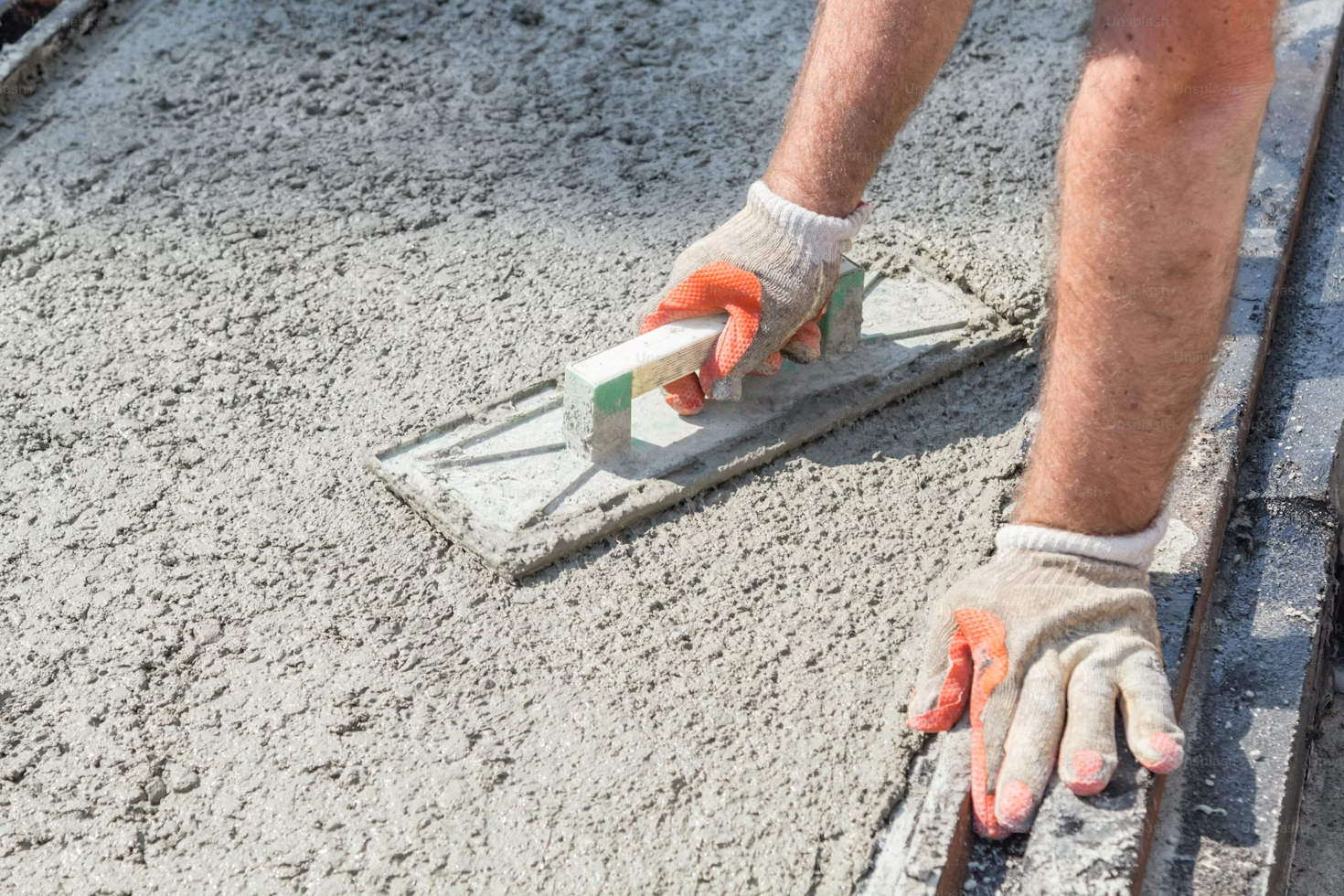
Concrete slabs look simple until the estimate is due. Thickness, reinforcement, placement method, joints, and finishes all change the number. This guide walks through each element so your slab estimate holds up in the field.
Start With the Quantities
Measure the slab area and multiply by the specified thickness to get cubic yards. Add waste for spillage, uneven subgrade, and truck rounding. A concrete takeoff is only as good as the dimensions behind it, so verify the drawings against the site plan before pricing.
Reinforcement Changes the Cost
Rebar, wire mesh, and fiber each behave differently. Rebar adds material, tying labor, and accessories. Wire mesh is faster to place. Fiber reinforcement adds little labor but changes the mix price. Price what the drawings specify, and confirm the option if the spec allows substitutions.
Placement and Pumping
Access decides the placement method. Direct chute placement is cheapest. Pumped concrete adds pump rental, line setup, and crew time, and it is common on commercial work. Weather also matters: hot weather needs retarders and cool weather needs protection. These add real cost to the estimate.
Joints, Curing, and Finishes
Saw-cut control joints, isolation joints, and sealant all add line items that are easy to forget. Curing compounds or wet curing protect the surface after placement. Finishes range from broom to hard trowel, and each level adds labor hours. The commercial cost guide includes slab benchmarks by building type.
Pricing Labor by Condition
Slab labor productivity depends on crew size, slab size, and reinforcement density. Small slabs with heavy rebar cost far more per square foot than large open pours. Use realistic productivity ranges and adjust for the actual condition. For regional labor adjustments, the USA estimating blog publishes state-level pricing updates.